Fulham Road rug cleaning and stain removal guide for SW10 flats
If you live in an SW10 flat, you already know how quickly a rug can go from stylish to stressed-out. One spill, a bit of tracked-in street grit, maybe a pet accident by the sofa, and suddenly the room feels less calm. This Fulham Road rug cleaning and stain removal guide for SW10 flats is here to help you deal with the messy bits properly, without making things worse. We'll walk through what actually works, what to avoid, when DIY is fine, and when a professional clean is the safer bet. Truth be told, most rug damage happens during rushed clean-ups, not from the original spill.
Whether you're in a compact apartment near the road, a period conversion, or a modern leasehold flat with shared hallways, the same principle applies: identify the rug type, treat stains quickly, and use the least aggressive method that can still do the job. That saves fibres, colour, and quite a few headaches.
Table of Contents
- Why rug cleaning matters in SW10 flats
- How rug cleaning and stain removal works
- Key benefits and practical advantages
- Who this guide is for
- Step-by-step guidance
- Expert tips for better results
- Common mistakes to avoid
- Tools, resources and recommendations
- Law, compliance and best practice
- Options and method comparison
- Case study example
- Practical checklist
- Conclusion
- Frequently asked questions
Why Fulham Road rug cleaning and stain removal guide for SW10 flats Matters
Rugs in flats work harder than people sometimes realise. They catch dust from open windows, crumbs from weekday dinners, rainwater from shoes, and the odd spill that happens while you're balancing a coffee and your keys. In SW10, where many homes are close to busy roads and shared entrances, a rug can pick up fine dirt surprisingly fast. That dirt doesn't just sit on the surface; it works down into the pile and starts to abrade fibres every time someone walks over it.
Stain removal matters for a different reason. A stain that's left to dry, or worse, scrubbed too hard, can permanently alter the look of the rug. Some stains oxidise and darken. Others wick back after drying, which is why a stain may appear to vanish and then reappear the next morning. Annoying? Very. But common.
In flats, there's also the practical side. You usually have less space to air-dry a rug, less room for a machine to be used safely, and often shared flooring that you really do not want soaked. A careless clean can affect underlay, timber, laminate, or carpet beneath. If your rug sits over a hardwood floor, the stakes go up a notch.
That is why a local, sensible approach works best: deal with fresh spills quickly, choose methods based on fibre type, and keep moisture under control. If you need support beyond your own kit, services like professional rug cleaning and specialist stain removal are usually the next sensible step.
How Fulham Road rug cleaning and stain removal guide for SW10 flats Works
Good rug cleaning is not about blasting everything with the strongest product in the cupboard. It's more like diagnosis first, treatment second. Start by asking three questions: what is the rug made from, what caused the stain, and how long has it been there?
Fibre type matters because wool, cotton, synthetic blends, viscose, silk, and jute all react differently to water, heat, and cleaning products. A wool rug can tolerate some moisture but still hates over-wetting. A viscose rug can look beautiful and behave terribly if you use the wrong approach. Synthetic fibres are generally more forgiving, though not invincible. To be fair, some of the hardest-looking rugs are the most delicate underneath.
Stain type matters because oils, tannins, proteins, dyes, and mud all behave differently. Coffee and tea are tannin-based. Wine is a dye issue as much as a moisture issue. Greasy food needs a degreasing approach. Pet stains introduce both residue and odour, which is why they often need more than a surface tidy-up.
Time matters because the longer a spill sits, the more it bonds with the fibre. Fresh stains are usually easiest to lift. Older stains may require repeated treatment, controlled moisture, and patience. Not glamorous, but effective.
Professional cleaning methods for rugs typically fall into a few broad categories: dry soil removal, controlled spot treatment, low-moisture cleaning, hot-water extraction for suitable rugs, and careful drying. If you want a broader cleaning service for the whole flat, deep cleaning can be a useful complement, especially after a move or before guests arrive.
Key Benefits and Practical Advantages
There's more to rug cleaning than making the room look neat. A proper clean can extend the life of the rug, reduce lingering smells, improve air feel in the flat, and prevent stains from becoming permanent features of the decor. That last one sounds obvious, but people live with a little dark mark for months and then wonder why the whole rug feels tired.
Here are the main practical advantages:
- Longer rug life: embedded grit wears fibres down, so regular cleaning helps preserve texture and structure.
- Better appearance: colours look clearer once dust and dulling residues are removed.
- Odour control: spills, pets, and damp can leave smells that surface vacuuming won't touch.
- Healthier living space: rugs trap dust and allergens, especially in compact flats with frequent foot traffic.
- Less risk of spread: treating a stain early can stop it from migrating into underlay or adjacent flooring.
There's also the confidence factor. You stop hovering over the stain every time you walk past. Small win, but a real one.
For tenants and landlords, the benefit can be even more practical. A clean rug can support a better end-of-tenancy presentation, particularly when you pair it with end of tenancy cleaning or a broader move-out clean. If you're moving in, the same logic applies in reverse: starting with a freshly cleaned rug makes a flat feel settled much faster.
Who This Is For and When It Makes Sense
This guide is for anyone in SW10 who wants to look after rugs properly without guessing their way through every spill. That includes renters, homeowners, landlords, short-let hosts, flat-sharers, and even the person who keeps saying, "I'll deal with it at the weekend." We've all met that weekend.
It makes sense if:
- you've had a coffee, wine, curry, or pet accident on a rug;
- you live in a flat and need to avoid soaking the floor underneath;
- you want to refresh a rug before guests, a tenancy inspection, or a seasonal reset;
- you're deciding between DIY treatment and booking a cleaner;
- you have a treasured rug and don't want to risk permanent damage.
Some situations call for extra caution. Antique rugs, hand-knotted pieces, natural-dye rugs, and delicate fibres are not the place for experimental cleaning. If a rug has sentimental or financial value, the safe play is to start gently and escalate slowly. No heroics.
And if the rug is part of a larger property refresh, it may be worth pairing it with house cleaning or domestic cleaning so the whole flat feels genuinely reset, not just one corner.
Step-by-Step Guidance
The safest rug stain removal routine is simple in principle, though it rewards patience. Here's a practical process you can follow in a flat without turning the room into a wet workshop.
1. Identify the rug and the stain
Check the label if there is one. If not, look closely at the weave, pile, backing, and any signs of wear. Wool feels different from synthetic fibres, and that matters. Then identify the stain: food, drink, pet mess, oil, mud, ink, cosmetics, or something unknown. Unknown stains deserve caution. Sometimes it's better to stop and test than to rush in.
2. Remove loose debris first
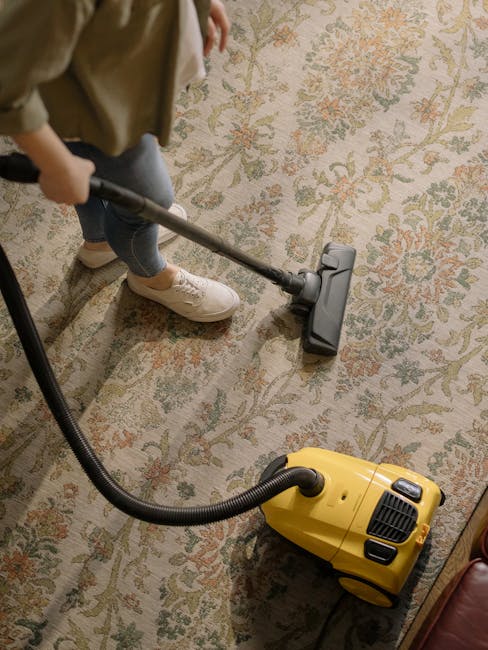
Vacuum gently on both sides if possible, or at least on the surface. For heavier rugs, lift and clean the floor beneath if you can. In a flat, grit under the rug often causes the same dull patches people mistake for permanent staining.
3. Blot, don't scrub
Use a clean white cloth or paper towel to blot the spill. Work from the outside in so you don't spread it. Scrubbing drives the stain deeper and can distort the pile. It also creates that slightly fuzzy patch that looks worse than the original problem. Honestly, scrubbing is the rug equivalent of panicking.
4. Test a small hidden area
Before any cleaning solution goes near the stain, test it on a discreet edge or under-side area. Watch for colour transfer, texture change, or fibre distortion. If the colour lifts onto the cloth, stop.
5. Apply a suitable cleaning approach
For fresh water-based stains, a mild diluted cleaner can help. For greasy marks, use a product designed to break down oil. For pet stains, you may need an enzymatic approach that helps address both residue and odour. Keep the amount of liquid modest. Less is often more in flats.
6. Work in stages
Treat the stain, blot again, and repeat if needed. A stubborn mark may come up gradually rather than all at once. That's normal. If the stain begins to spread, pause and reassess.
7. Rinse carefully
If you use a cleaner, remove the residue with a lightly damp cloth and clean water unless the product instructions say otherwise. Leftover detergent can attract new dirt and leave the rug sticky underfoot.
8. Dry thoroughly
Use airflow, open windows where practical, and avoid placing furniture back until the rug is fully dry. In a SW10 flat, drying can be slower than you'd like, especially in cooler months. A fan helps. Heat can help too, but gently. No boiling radiators blasting at close range.
9. Reassess after drying
Some stains only reveal their full appearance when dry. If you see a faint ring or shadow, it may need a second treatment or professional help. Better to inspect carefully than to assume it's gone forever.
Expert Tips for Better Results
After years of seeing rugs cleaned properly and badly, a few habits stand out. They're not complicated, which is probably why people overlook them.
- Act quickly: fresh stains are always easier to handle than set-in ones.
- Use white cloths: coloured towels can transfer dye. Not ideal.
- Avoid soaking the backing: too much water can damage glue, underlay, and adjacent flooring.
- Keep the pile direction in mind: brushing or blotting with the pile can reduce texture marks.
- Ventilate the room: moisture left in a closed flat can lead to odours.
- Deal with odour separately: a stain may be visually clean but still smell, especially with pets or milk-based spills.
- Choose the lightest effective method: start gentle, then move up only if needed.
A small tip that saves grief: if a spill lands on both the rug and the floor around it, clean the floor edge too. Otherwise, the stain can look "mysteriously" like it came back from nowhere. It didn't. It just travelled.
If you're trying to preserve a cherished piece, specialist rug cleaning is often the safer route, and for pet-related issues pet stain and odour removal can be more effective than general cleaning alone.
Common Mistakes to Avoid
Most rug problems come from well-meant mistakes. The good news? They're avoidable once you know what to look for.
- Using too much water: this can cause browning, slow drying, backing damage, and mould risk.
- Scrubbing hard: it roughs up fibres and can make the stain larger.
- Using random household chemicals: bleach, strong solvents, or multi-surface sprays can wreck colours and finishes.
- Ignoring fibre type: what works on a synthetic mat may harm wool or viscose.
- Not blotting after treatment: leftover moisture becomes a new problem.
- Rushing the dry time: putting the rug back too soon can trap damp beneath it.
- Assuming one treatment fits all: different stains need different approaches, and that's just the reality of it.
One of the most common issues in flats is people using a standard spot cleaner and then placing the rug back down while it still feels cool or slightly tacky. It may look fine for a few hours, then smell a bit off by the next day. That's usually moisture, not magic.
Tools, Resources and Recommendations
You don't need a van full of equipment to look after a rug well. A few sensible tools are enough for everyday care.
| Tool or product | Best use | Why it helps |
|---|---|---|
| Vacuum with adjustable settings | Routine maintenance | Removes grit before it wears fibres down |
| White microfiber cloths | Spot treatment | Blots safely without dye transfer |
| Soft brush | Gentle fibre lifting | Helps restore pile after cleaning |
| Mild rug-safe cleaner | Everyday stains | Targets dirt without harsh residue |
| Enzymatic cleaner | Pet stains and food spills | Helps address organic residue and smell |
| Fan or airflow source | Drying | Speeds evaporation and reduces odour risk |
For deeper maintenance, a professional clean can be more efficient than repeated spot cleaning. If the rug is part of a larger refresh, it may be practical to combine it with steam carpet cleaning for fitted flooring, or upholstery cleaning if the sofa has taken a hit too. Spills rarely respect boundaries, do they?
If you're arranging cleaning around a tenancy, event, or building works, service pages such as one-off cleaning, move-in cleaning, or after builders cleaning may also fit the job better than a routine visit.
Law, Compliance, Standards, or Best Practice
For a household rug, this topic is less about formal regulation and more about sensible UK best practice. In practical terms, that means using cleaning products according to the label, ventilating the space, and taking reasonable care not to damage flooring or create a slip hazard. In shared buildings, it also means being considerate about water use, access, and drying time in communal routes.
If you live in a managed block, it's wise to avoid leaving damp rugs in hallways or on landing areas where they could create inconvenience. That sounds obvious, but you'd be surprised how often it happens. Good practice also includes checking whether the rug has manufacturer care guidance. If it does, follow it. If it doesn't, be conservative.
When you hire a professional cleaner, trust and safety matter too. Look for clear terms, transparent pricing, and evidence that the business thinks seriously about handling, access, and liability. Pages such as insurance and safety, health and safety policy, and terms and conditions help set the right expectations before anyone arrives with equipment.
If payment concerns matter to you, it is reasonable to review payment and security and privacy policy as part of your decision-making. A trustworthy provider should make those basics easy to find, not hide them in fine print.
Options, Methods, or Comparison Table
Different rug problems call for different responses. Here's a simple comparison to help you choose the right path.
| Method | Best for | Pros | Watch-outs |
|---|---|---|---|
| Vacuuming and dry care | Routine upkeep | Fast, safe, low-risk | Won't remove set stains |
| DIY spot treatment | Fresh small spills | Cheap, quick, convenient | Easy to over-wet or choose the wrong product |
| Low-moisture professional clean | Delicate rugs and flats | Controlled, less drying time | May not suit all heavy contamination |
| Hot-water extraction | Suitable durable rugs | Deep soil removal, strong refresh | Needs careful fibre matching and dry time |
| Specialist stain treatment | Wine, pet, grease, dye-based marks | Targets the stain type more precisely | Usually requires expert judgment |
The right choice depends on rug construction, stain age, and how much moisture the flat can reasonably handle. If the rug is expensive or fragile, lean toward specialist treatment. If it's a sturdy synthetic rug and the spill is fresh, gentle DIY may be enough.
Case Study or Real-World Example
Here's a simple real-world scenario from the kind of job that turns up all the time in SW10. A tenant in a Fulham Road flat knocked over a cup of coffee onto a light wool-blend rug near the living area. They blotted it quickly, which was good, but then used too much detergent and a fairly aggressive brush. The visible stain lightened, but by the next morning there was a pale ring and a faint rough patch where the pile had lifted.
The fix was careful, not dramatic. The rug was left to dry fully, then treated again with a cleaner suited to wool, using very little moisture. The pile was gently reset with a soft brush, and the room was ventilated for the rest of the day. The stain didn't disappear in one magical moment. It improved gradually, which is often how it goes in real life.
The key lesson was simple: quick action helps, but the second step matters just as much. Using the wrong product in a panic can create more work later. That's the bit people don't always expect.
For flats with regular guests or short stays, this kind of issue can also overlap with Airbnb cleaning or regular cleaning, because high-turnover homes tend to show wear faster than quiet households.
Practical Checklist
Before you start, run through this checklist. It sounds basic, but it prevents a lot of avoidable mistakes.
- Check the rug material and care label, if available.
- Identify the stain type before applying any product.
- Vacuum loose dirt and grit first.
- Blot, do not scrub.
- Test any cleaner on a hidden area.
- Use the smallest effective amount of liquid.
- Rinse or remove residue carefully.
- Allow full drying with good airflow.
- Inspect again once dry for rings or colour changes.
- Book a professional clean if the rug is delicate, valuable, or still stained.
Little checklist, big difference. Especially in flats, where one small mistake can affect the floor underneath as much as the rug itself.
Conclusion
Rug cleaning in SW10 is rarely just about appearances. It's about protecting fibres, keeping the flat fresh, and dealing with stains before they turn into long-term reminders of one rushed evening. The best results usually come from calm, fibre-aware cleaning rather than heavy scrubbing or guesswork. Start gently, use the right product for the stain, and dry everything properly. That approach is boring in the best possible way - and boring often means successful.
If your rug has sentimental value, if the stain is stubborn, or if you simply don't want to risk the floor beneath it, a specialist clean can save time and stress. And in a busy Chelsea or Fulham Road household, that peace of mind is worth a lot.
Get a free quote today and see how much you can save.
Frequently Asked Questions
How often should a rug in an SW10 flat be cleaned?
For everyday household use, vacuuming weekly is a sensible baseline, with deeper cleaning depending on foot traffic, pets, and whether the rug sits in a living area or hallway. If it starts to look dull or hold odours, don't wait too long.
What is the safest first step for a fresh rug stain?
Blot the spill immediately with a clean white cloth. Work from the outside of the stain inward and avoid rubbing. That one step prevents a lot of spread, especially on lighter rugs.
Can I use the same cleaner on every rug?
Not really. Wool, viscose, cotton, synthetic fibres, and delicate handwoven rugs all react differently. Always check the fibre type first and test in a hidden spot before using a cleaner on the main stain.
Why does a stain sometimes come back after drying?
This is often called wicking. Moisture carries residue from deeper in the pile back to the surface as it dries. It's common after over-wetting or incomplete rinsing.
Are pet stains harder to remove than food stains?
Usually yes, because you're dealing with both visible residue and odour. Enzymatic treatment can help, but older pet stains often need more than a basic spot clean.
Is steam cleaning safe for all rugs?
No. Steam or hot-water extraction can be effective on suitable rugs, but some delicate fibres and constructions don't tolerate it well. This is where fibre knowledge matters more than enthusiasm.
How long should a rug take to dry in a flat?
It depends on moisture used, room temperature, ventilation, and rug thickness. A light spot clean may dry within hours, while a deeper clean can take longer. If it still feels damp, leave it longer.
Can rug cleaning help with smells as well as stains?
Yes, but only if the source of the odour is properly treated. Surface cleaning can reduce smell, though pet odours, milk spills, and damp may need a more targeted approach.
What should tenants in Fulham Road do before an inspection?
Focus on visible spots, odours, and overall freshness. If the rug is in poor condition, professional cleaning may help present the flat better, especially alongside broader end-of-tenancy tasks.
When should I stop DIY and call a professional?
If the rug is expensive, antique, delicate, or still stained after a careful first attempt, stop there. Also stop if the stain is spreading, the colour is lifting, or the rug is staying wet for too long.
Does regular vacuuming really make that much difference?
Yes, absolutely. Grit is one of the main reasons rugs wear out early. Regular vacuuming helps keep the pile standing and makes stain removal easier later on.
Can a cleaner handle both rugs and other soft furnishings in the same visit?
Often, yes. It can be efficient to combine rug work with sofa or curtain care, especially if there's been a spill that affected more than one item. That way the whole room feels considered, not patched up.
If you'd like further guidance on related services, you can also look at sofa cleaning, curtain cleaning, and window cleaning when the flat needs a fuller refresh. Sometimes the room just needs a proper reset, that's all.